Cat Ba Travel Guides
Rock Climbing on Cat Ba Island: Crags, Deep-Water Soloing and Tours
Where to climb on Cat Ba, how deep-water soloing in Lan Ha Bay works, 2026 tour prices, the best season and what beginners should know first.
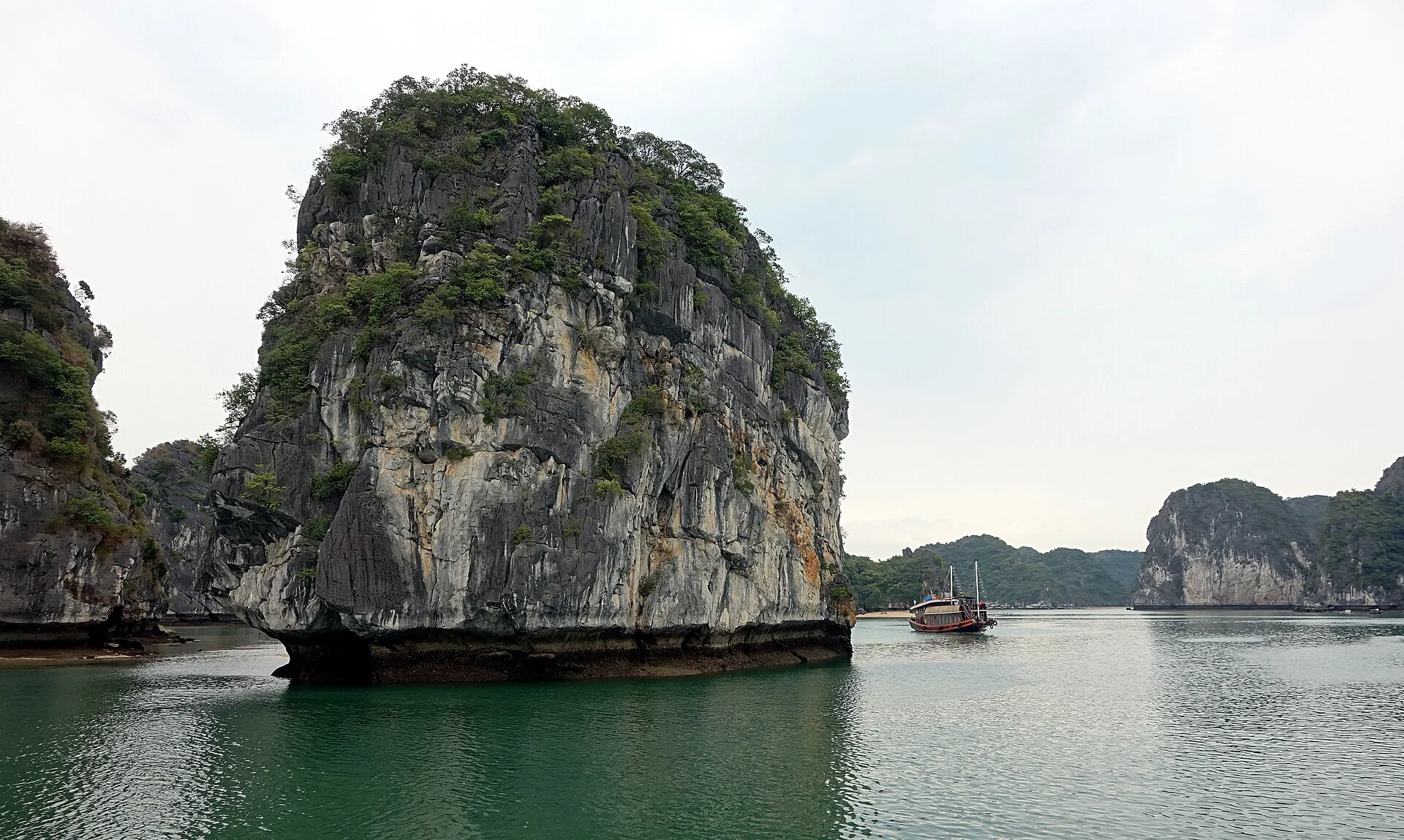
Cat Ba Island has drawn climbers since the 1990s, when visiting climbers bolted the first sport routes on its steep limestone. Today rock climbing on Cat Ba means two very different days out: shaded crags in the island's forested valleys, and sea cliffs in Lan Ha Bay where you can climb above the water without a rope. This guide covers the main crags, deep-water soloing, 2026 tour prices, the best season and what beginners should know before booking.
Updated October 2026. Prices, crag access and bay rules are for reference and can change with the season, the operator and the local authorities.
See also: 15 Best Things to Do on Cat Ba Island
See also: Lan Ha Bay Guide 2026: How to Visit, Fees, Cruises and Best Time
1. Why go rock climbing on Cat Ba?
The rock is steep, often overhanging limestone karst, full of tufas and pockets, and the sea cliffs are undercut at the waterline, which is what makes deep-water soloing possible. On the same trip, you can sport climb in a jungle valley in the morning and climb over the sea in the afternoon.
The first routes went up in the 1990s and early 2000s, put up by visiting American, French and British climbers. In the late 2000s, a local climbing company bolted most of Butterfly Valley, the island's biggest crag. The usual count today is more than 120 sport routes on over a dozen crags, roughly 4a to 8a, plus more than 230 deep-water solo lines on the sea cliffs.
2. Where to climb on Cat Ba
Most climbing happens either at the inland crags, reached by scooter or taxi, or on sea cliffs reached by boat from Ben Beo Pier. Crag access depends on landowners and local rules, so ask a local climbing shop what's open before you go.
2.1. Crags on the island
- Butterfly Valley: The biggest crag, with around 70 routes, about 10 kilometers from Cat Ba Town and a flat 5–10 minute walk from the road. You pay a small fee to the farm on the approach, and climbing shops sell passes. It floods in the rainy season. Most routes are 6a–7c, with a handful of easier lines.
- Fisher Valley: About 44 routes from grade 3 to 7c+, including several easy ones, roughly 12 kilometers north of town. It's shaded and stays climbable in light rain. Typhoon Yagi damaged the crag in 2024, and repairs were still going on in 2026.
- Hidden Valley: Around 33 sport routes from 4+ to 7b+, a short drive from town and then a steep 10-minute hike. It's a popular place to learn to lead.
- Buddha Cave: About 17 routes a 5-minute uphill walk from town, with a shrine and meditation area inside. Keep your voice down and dress respectfully.
The old crag at Ben Beo harbor is closed, so skip any older guide that sends you there.
2.2. Sea cliffs in Lan Ha Bay
The sea crags are 20–30 minutes by boat from Ben Beo. Moody's Beach is the main beginner sea crag, with a few routes from about 4c to 6b+. Access depends on the tide, and it's hot in the morning but shaded in the afternoon. Tiger Beach has harder lines, roughly 5c to 7c, including a four-pitch route, though access has been disputed by the island's private owners, so check with your operator.
The bay rules don't mention climbing specifically, but since January 2026 they allow water activities only in permitted areas. Go with a licensed operator and boat, never an unlicensed boat from the pier.
See also: Lan Ha Bay Kayaking and Boat Trips: A Practical Guide
3. Deep-water soloing in Lan Ha Bay
Deep-water soloing, or DWS, means climbing sea cliffs without a rope and dropping into the water when you fall or finish. Several Cat Ba operators still run half-day DWS trips in 2026, usually on walls such as Sea Face and Three Brothers, with grades from about 4a to 7c+.
The tide decides everything. Lan Ha Bay has one high and one low tide a day, with a range of up to about 3 meters, and DWS needs a tide of more than about 2 meters. Because the cliffs are undercut at the base, you start from the boat, and at low tide rocks show beneath some routes. Operators set the departure time by the tide, so be flexible.
DWS runs mainly from June to November, when the tides line up, and the sea is a warm 27–30°C from May to October. Climb two grades or so below your roped level, swim confidently, and expect a minimum age of 14 or 15 with some operators.
4. Can beginners go rock climbing on Cat Ba?
Yes. Guided half-day sessions for first-timers run on easy top-rope routes at the island crags or at Moody's Beach, and the guide teaches you how to tie in, belay and lower off. Some operators set no minimum age for these sessions, so families can often climb together, but ask before you book.
Deep-water soloing is better left until you've climbed a little and can swim well. Even easy DWS routes involve falls of several meters into open water.
5. Cat Ba climbing tours and prices in 2026
These are reference prices from operators' 2026 listings, per person, and usually include transport, crag fees, a guide and gear:
- Half day on the island: around VND 1,150,000.
- Half day at Moody's Beach: around VND 1,300,000.
- Half-day deep-water soloing: around VND 1,150,000–1,550,000, or from about USD 70.
- Full day on the island: around VND 2,600,000.
- Multi-pitch at Tiger Beach: around VND 4,750,000, with a skills check the evening before.
Operators running guided climbing in 2026 include Cat Ba Climbing, Langur's Adventures, Cat Ba Pathfinders and Cat Ba Ventures. Asia Outdoors, the company behind much of the early bolting, has closed, so older guides that recommend it are out of date. Book a day or two ahead and confirm the meeting point.
6. When is the best time for rock climbing on Cat Ba?
For dry rock, aim for roughly November to April. December to February is cool, around 15–22°C, with little rain. February and March often bring drizzle and high humidity, and some walls, Buddha Cave among them, can get damp.
Summer is hot and wet, with highs of 31–33°C and heavy rain, and the typhoon season runs from late May to early November, peaking from July to October. That's also the main DWS season, so climbers who visit in summer usually swap the inland crags for the sea. Plan around the sun: Moody's Beach is shaded in the afternoon, while Fisher Valley stays shaded most of the day.
See also: Best Time to Visit Cat Ba: Weather Month by Month
7. Climbing safely on Cat Ba
Bolts don't last long in a hot, salty climate. Stainless steel bolts on the sea cliffs can rust out within a few years, and climbers have reported rusty or missing anchors at some inland crags, although parts of the island were rebolted in 2025 and 2026. A local guide knows which routes are well maintained.
- Wear a helmet, and use fixed anchors for lowering only.
- Watch for wasps and snakes on the approach and at the base of the crags.
- Check that your travel insurance covers climbing, and DWS in particular.
- For emergencies, the Cat Hai Special Zone Medical Center is on Cat Ba, and serious cases go to Viet Tiep Hospital in Hai Phong.
8. What to bring
- Shoes: Closed shoes with good grip for the walk in. Operators supply climbing shoes, harnesses and helmets.
- Sun and bugs: Sunscreen, a hat and insect repellent.
- Water: Plenty of drinking water and energy snacks, especially in the warmer months.
- For DWS: A swimsuit, a quick-dry layer and a dry bag for your phone.
- Cash: Small notes for crag fees and drinks.
9. Good to know
- Weather: Boat trips stop when storm warnings are issued, so leave a spare day in your plans from July to October.
- Combine it: A morning on the rock pairs well with an afternoon on Lan Ha Bay, or with a hike in Cat Ba National Park on a rest day.
- Add-ons: Some climbing trips bundle kayaking, so check whether kayaking is allowed on your date.
- Independent climbing: Experienced climbers with their own gear can climb the inland crags with a pass, but gear rental on the island is limited.
- Respect the land: Several crags sit on farms and village land, so pay the fees and leave no litter.
See also: Cat Ba National Park: Hikes, Caves and the Cat Ba Langur
10. FAQs about rock climbing on Cat Ba
Is Cat Ba good for rock climbing?
Yes. It has more than a hundred bolted sport routes on steep limestone, plus deep-water soloing on sea cliffs in Lan Ha Bay, all within a short ride of Cat Ba Town.
Can beginners go rock climbing on Cat Ba?
Yes. Guided half-day sessions on easy top-rope routes suit complete beginners, and the guide supplies the gear and teaches the basics.
What is deep-water soloing?
It's climbing sea cliffs without a rope, with deep water below to catch your fall. On Cat Ba it depends on the tide and runs mainly from June to November.
How much does rock climbing on Cat Ba cost?
A guided half day costs around VND 1,150,000–1,550,000 per person in 2026, and a full day around VND 2,600,000, usually including transport, fees and gear.
When is the best time to climb on Cat Ba?
November to April is best for dry rock on the inland crags. June to November brings the best tides for deep-water soloing.
Can you climb on Cat Ba without a guide?
Experienced climbers with their own gear can visit the inland crags with a pass. For the sea cliffs, you need a licensed boat and operator.
Rock climbing on Cat Ba gives you two kinds of climbing in one trip: shaded valley crags and sea cliffs over the water. Go with a local guide, time your days around the weather and the tide, and you'll get the best of both.
After a day on the rock, Flamingo Cat Ba Sea & Sand Resort on Cat Co 1 and Cat Co 2 beaches is a short ride from town. Ease tired forearms in the Japanese-style mineral baths at Ruriko Onsen, book a massage at SEVA Spa, then refuel at Sea Restaurant on the 1st floor of the Sea tower.
Plan your stay at Flamingo Cat Ba Sea & Sand Resort:
- Rooms and residences with Lan Ha Bay views
- Restaurants and sky bars
- Ruriko Onsen and SEVA Spa
- Free extras when you book direct
Photo: Velvet, Wikimedia Commons, CC BY-SA 4.0.