Cat Ba Travel Guides
Cai Beo Floating Village, Cat Ba: History, Boat Trips and Tips
Cai Beo sits beside Ben Beo Pier on Cat Ba: the ancient site beneath it, boat trips past the fish farms, 2026 fees, seafood rafts and etiquette.

Cai Beo is a floating fishing village beside Ben Beo Pier, about 1.5 kilometers from the center of Cat Ba Town. Its rafts and fish farms sit above one of the oldest known settlements in the region, and many Lan Ha Bay boats pass right through it. This guide to Cai Beo floating village covers its history, how to visit, 2026 costs, the seafood rafts and how to behave in a working village.
Updated October 2026. Boat prices, fees and restaurant licensing can change with the season and the local authorities.
See also: Lan Ha Bay Guide 2026: How to Visit, Fees, Cruises and Best Time
See also: 15 Best Things to Do on Cat Ba Island
1. Where is Cai Beo floating village?
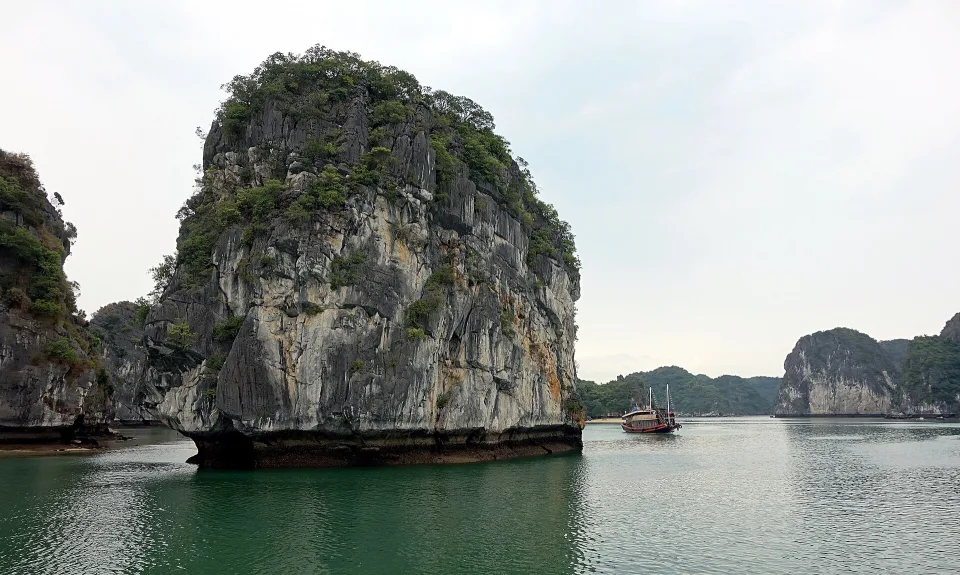
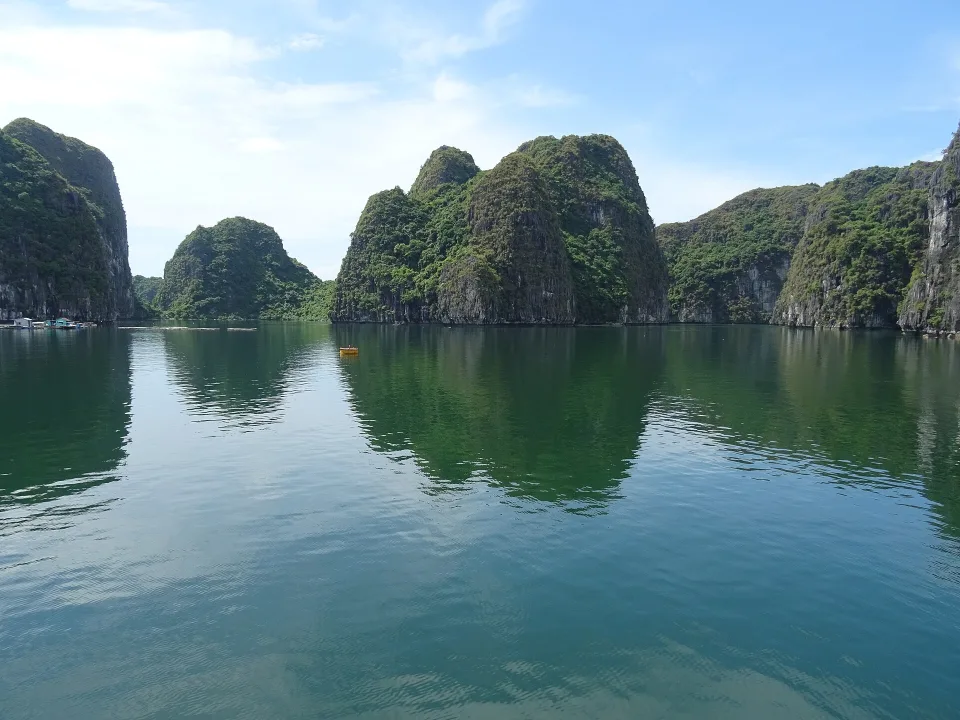
Cai Beo lies in a sheltered cove on the southeast side of Cat Ba Island, in a limestone valley below the Ang Tham and Bu Nau ranges. The cove opens onto Lan Ha Bay right next to Ben Beo Pier, the main departure point for bay boats, and locals also call it Vung O.
It isn't Cai Be, the floating market in the Mekong Delta, which lies more than 1,000 kilometers to the south. Since July 1, 2025, Cat Ba has been part of Cat Hai Special Zone in Hai Phong, and a bays management board handles tickets, boat checks and waste collection on the water.
2. The archaeological site at Cai Beo
The French archaeologist Madeleine Colani identified the site in 1938, and Vietnamese teams excavated it in 1972–1973, 1981, 1986 and 2006. The deposit is about 2.6 meters deep, with three layers dated by the style of their tools and pottery: the oldest is around 6,000–7,000 years old, and the youngest belongs to the Ha Long culture, around 4,000–4,500 years ago.
The digs turned up stone choppers, axes, net sinkers and grinding slabs, along with pottery, shells and fish bones. The 1973 dig alone produced 484 stone pieces and more than 19,000 pottery sherds, and the 1981 dig uncovered two hearths and the burial of a man aged around 50 to 60. The site covers about 18,000 square meters and was ranked a national relic in 2009.
There's nothing to see on land yet, with no museum, marker or display at the site itself, and some finds were sent to the Hai Phong Museum in the city. The village on the water is the living link to that long history.
3. Cai Beo floating village today
A few hundred families live and work on the water, most of them raising grouper, snapper and other fish in floating cages. New cages haven't been allowed since the early 2010s, and mains power and piped water reached the rafts around 2015–2016.
The village has changed fast. In 2021, Hai Phong cleared fish farms out of Lan Ha Bay and two neighboring bays, while the coves around Ben Beo and Gia Luan, Cai Beo included, were rearranged rather than emptied. A 2022 decision required floating houses and cages to switch to plastic floats. Across the Cat Ba bays, there were about 300 fewer fish farms at the end of 2025 than in 2021, every remaining cage had been converted, and some families now combine fish farming with tours for visitors.
4. How to visit Cai Beo
The village is easiest to see from a small boat, either on a Lan Ha Bay tour or on a short trip of your own from Ben Beo Pier.
4.1. Getting to Ben Beo Pier
Ben Beo Pier is about 2 kilometers from the town center: a short taxi or scooter ride, or around 25 minutes on foot along the coast road. Since June 2026, licensed electric tourist carts have also been allowed to run to the Ben Beo car park, which makes the trip easier with children or luggage.
4.2. Boat trips through the village
Many Lan Ha Bay day tours pass through Cai Beo on the way out, and some stop for a closer look. To see it properly, hire a small boat at the pier for an hour or two. Some families also row visitors through the village in small wooden or bamboo boats, so agree the price and the route before you set off.
Under the bay rules in force since January 2026, tourist boats can operate from 5:00 a.m. to 8:00 p.m. between April and October, and from 5:30 a.m. to 7:00 p.m. between November and March.
5. How much does a Cai Beo visit cost in 2026?
These are reference prices for October 2026, so confirm at the pier:
- Bay fee: VND 120,000 per adult and VND 60,000 per child aged 6 and over under Hai Phong's 2026 fee schedule. Children under 6 go free, and Vietnamese seniors aged 60 and over pay half.
- Small boat for four to six people: around VND 300,000–500,000 per trip.
- Motorboat for five to ten people: around VND 500,000–1,000,000 per trip.
- Seafood meal on a raft: priced by weight, see the next section.
The rules don't say clearly whether a short Cai Beo-only trip is charged the bay fee, so budget for it and ask before you board. Pages that still quote VND 80,000 or less for the bay fee are out of date.
See also: Cat Ba Entrance Fees 2026: Lan Ha Bay, National Park, Caves and More
6. Floating seafood restaurants
In 2022, the city moved a group of floating restaurants from the town-center bay to a mooring at Cai Beo, opposite Ben Beo, and small boats shuttle diners out. You pick live seafood from the cages, it's weighed and priced by the kilogram, and cooking is often charged on top. As a reference, VnExpress listed tu hai clams at around VND 200,000–250,000 per kilogram and lobster at VND 600,000–1,800,000 per kilogram in 2026.
Disputes usually start with the weighing or the cooking fee. Agree the total price before anything goes in the pot, watch the seafood being weighed, ask what cooking costs and keep the bill. Businesses must post their prices, and in summer 2026 local inspectors checked dozens of tourism businesses on Cat Ba and fined several. Which rafts hold a license can change from year to year, so ask your hotel which ones are operating.
See also: What to Eat in Cat Ba: Seafood and Local Dishes
7. Etiquette in a working village
Cai Beo is a working village, not a theme park, and a little care goes a long way.
- Photos: Ask before photographing people or their homes.
- Rafts: Don't step onto a raft unless you're invited, and don't touch nets, cages or fishing gear.
- Noise: Keep your voice down, especially early in the morning.
- Rubbish: Take it back with you. Since January 2025, tourist boats must sort their waste and hand it in at the pier.
- Swimming: Don't swim here. It's a busy harbor, and swimming is allowed only in permitted areas.
8. When to visit Cai Beo
April to October brings calmer water and long days, with the busiest period from May to July. Early morning and late afternoon are the quietest times, before about 9:00 a.m. or after 3:00 p.m., when fewer tour boats are passing through.
Boats stay in port during storm warnings, as they did on July 3 and August 22, 2026, and since August 2026 tourist boats can't leave when the waves pass set limits. November to March is cool and quiet, and the soft light suits photography.
See also: Best Time to Visit Cat Ba: Weather Month by Month
9. Combining Cai Beo with Lan Ha Bay
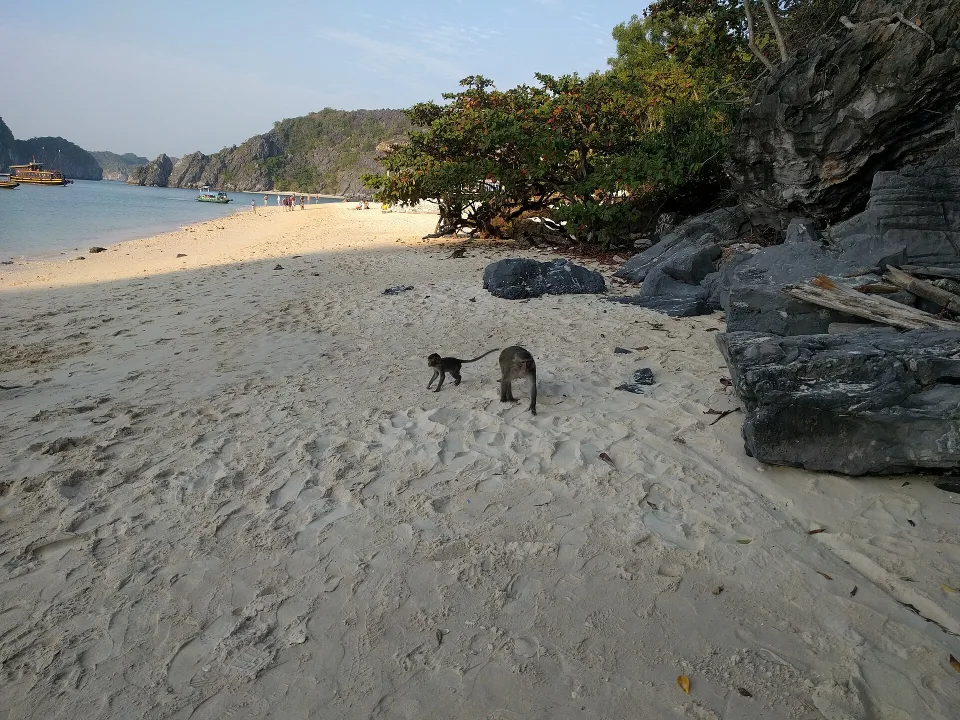
Cai Beo is the natural start of a Lan Ha Bay day. From Ben Beo, boats pass the village before heading on to Monkey Island, Ba Trai Dao or Dark and Bright Cave. Monkey Island is a short ride beyond the village, so on a free morning you can hire a boat for a loop around Cai Beo and Monkey Island and be back in town for lunch.
See also: Monkey Island Cat Ba 2026: Boats, Beaches and Monkey Safety
10. Good to know
- Life jackets: Since June 2026, every passenger must wear one for the whole boat trip.
- Cash: Carry Vietnamese dong for the boat, the bay fee and meals.
- Kayaks: Kayak services on the Cat Ba bays have been suspended since November 2024, so see the village by boat.
- Time: Allow one to two hours for a boat trip around the village.
- Tips: If a family welcomes you onto their raft, a small tip or gift is a polite thank-you.
11. FAQs about Cai Beo floating village
Is Cai Beo floating village worth visiting?
Yes, if you'd like to see daily life on the water above a site people have lived on for thousands of years. It's right beside Ben Beo Pier, so it's an easy add-on to any Lan Ha Bay trip.
How do I get to Cai Beo from Cat Ba Town?
Go to Ben Beo Pier, about 2 kilometers from the center, by taxi, scooter or on foot. From there, a boat takes you into the village in a few minutes.
How old is Cai Beo?
The oldest layer of the archaeological site is about 6,000–7,000 years old, based on the style of the tools and pottery found there.
Is there an entrance fee for Cai Beo?
There's no separate village fee. The Lan Ha Bay fee of VND 120,000 per adult may apply to a boat trip, so ask what your price includes.
Can you eat seafood at Cai Beo?
Yes, at licensed floating restaurants near Ben Beo. Seafood is priced by weight, so agree the total and the cooking fee before you order.
Is Cai Beo the same as Cai Be floating market?
No. Cai Be is a river market in the Mekong Delta in southern Vietnam. Cai Beo is a fishing village on Cat Ba Island in the north.
Cai Beo floating village is small, but it packs thousands of years of history into a short boat ride from Ben Beo Pier. Go early, ask before you take photos, and agree prices on the water before you order.
After a morning among the rafts, Flamingo Cat Ba Sea & Sand Resort on Cat Co 1 and Cat Co 2 beaches is a short drive away. Cool off in the Charm Pool facing the sea, ride the buggy between the Sea, Sand and Sun towers, then book dinner at Lan Ha Restaurant on the 17th floor, open until 10:00 p.m.
Plan your stay at Flamingo Cat Ba Sea & Sand Resort:
- Rooms and residences with Lan Ha Bay views
- Restaurants and sky bars
- Ruriko Onsen and SEVA Spa
- Free extras when you book direct
Photo: Superbass, Wikimedia Commons, CC BY-SA 4.0.